
Hernia
A hernia occurs when tissue pushes through a weakened area of the abdominal wall. It often appears as a bulge that may become more noticeable when standing, coughing or lifting.
हर्निया — पेट की दीवार के कमजोर हिस्से से अंदर के ऊतक बाहर निकलने को हर्निया कहते हैं। खड़े होने, खांसने या वजन उठाने पर गांठ अधिक दिखाई दे सकती है।
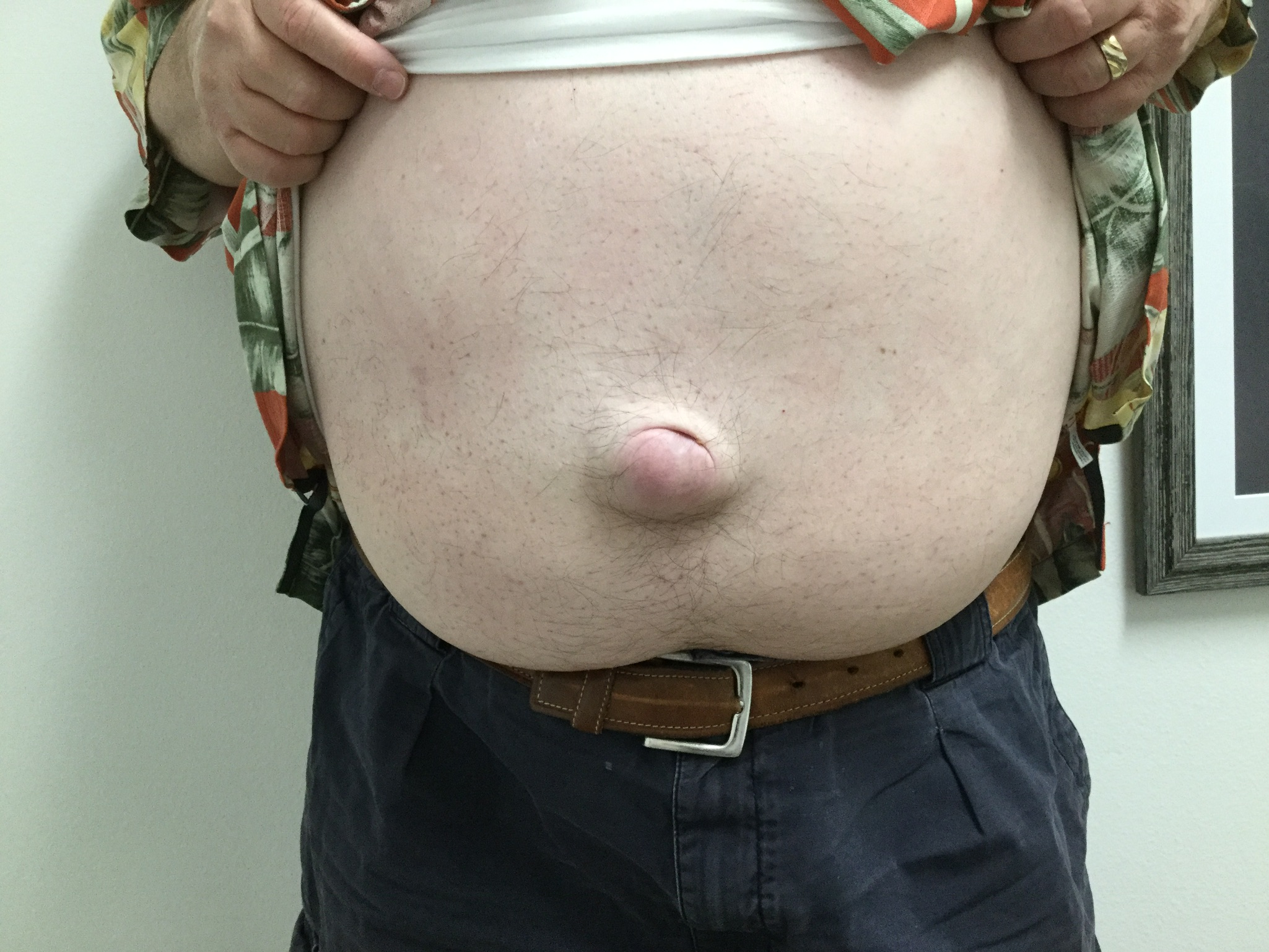
What you may notice
- A visible or palpable bulge
- Heaviness, dragging or discomfort
- Pain that increases with coughing, lifting or prolonged standing
- A bulge that may reduce when lying down in some cases
लक्षणों की तीव्रता हर मरीज में अलग हो सकती है। लक्षण लगातार बने रहें तो चिकित्सकीय जांच कराना उचित है।
Why it can happen
- Weakness in the abdominal wall
- Previous abdominal surgery
- Chronic cough or constipation and repeated straining
- Heavy lifting, pregnancy or increased abdominal pressure
कारण हर मरीज में अलग हो सकते हैं; जीवनशैली, पहले की बीमारियों और अन्य जोखिम कारकों को ध्यान में रखा जाता है।
How it is evaluated
Diagnosis usually starts with examination while standing and coughing. Ultrasound or other imaging may be advised when the diagnosis is uncertain or the hernia is not easily felt.
लक्षणों और चिकित्सकीय जांच के आधार पर निदान किया जाता है। आवश्यकता के अनुसार डॉक्टर अतिरिक्त जांच या इमेजिंग की सलाह दे सकते हैं।
What treatment may involve
Small, symptom-free hernias may sometimes be monitored, while painful, enlarging or complicated hernias often need surgical repair. The appropriate timing and technique depend on the type, location and individual health.
उपचार बीमारी की गंभीरता, कारण, जांच के निष्कर्ष और मरीज के स्वास्थ्य के अनुसार तय किया जाता है।
Do not ignore warning signs
- A bulge becomes hard and cannot be pushed back when previously reducible
- Sudden severe pain
- Vomiting, abdominal distension or inability to pass stool/gas
- Fever or skin colour change over the swelling
नीचे दिए गए गंभीर लक्षण दिखाई दें तो बिना देर किए चिकित्सकीय सहायता लें।